


As competition intensifies, intellectual property (IP) is no longer just a tool for protecting a brand or an invention — it has become a strategic asset. This is especially true in Vietnam, where regulators are stepping up enforcement against IP infringement. For any company operating in or entering the Vietnamese market, now is the time to proactively review and build a strategy to protect your intellectual property.

A Trend Toward Stronger IP Enforcement in Vietnam
Vietnamese authorities are intensifying inspection, monitoring, and enforcement actions against IP infringement. The goal is to foster a healthy business environment, encourage innovation, and strengthen national competitiveness.
At the same time, the rapid growth of e-commerce and the digital economy has made infringement more widespread and more sophisticated. This calls for a more proactive approach — from both regulators and businesses — in protecting intellectual property rights.
Risks Foreign Businesses May Face
Many companies assume that registering a business entity or owning a domain name is enough to protect their brand. In reality, a trade name or domain name is NOT automatically protected as a trademark in Vietnam. Importantly, Vietnam operates on a ‘first-to-file’ principle — rights generally go to whoever registers first, not whoever used the mark first. This makes early registration critical for foreign businesses.
Common risks include:
- Using a trademark without registering it — and having a third party (sometimes a ‘trademark squatter’) register it first.
- Unintentionally using a trademark, logo, or image already protected by someone else.
- Importing and selling products into Vietnam without first checking their IP status locally.
- Using software, images, documents, or digital content without proper licensing.
- Lacking an internal IP management system, which can lead to the loss of rights over patents, industrial designs, or trade secrets.
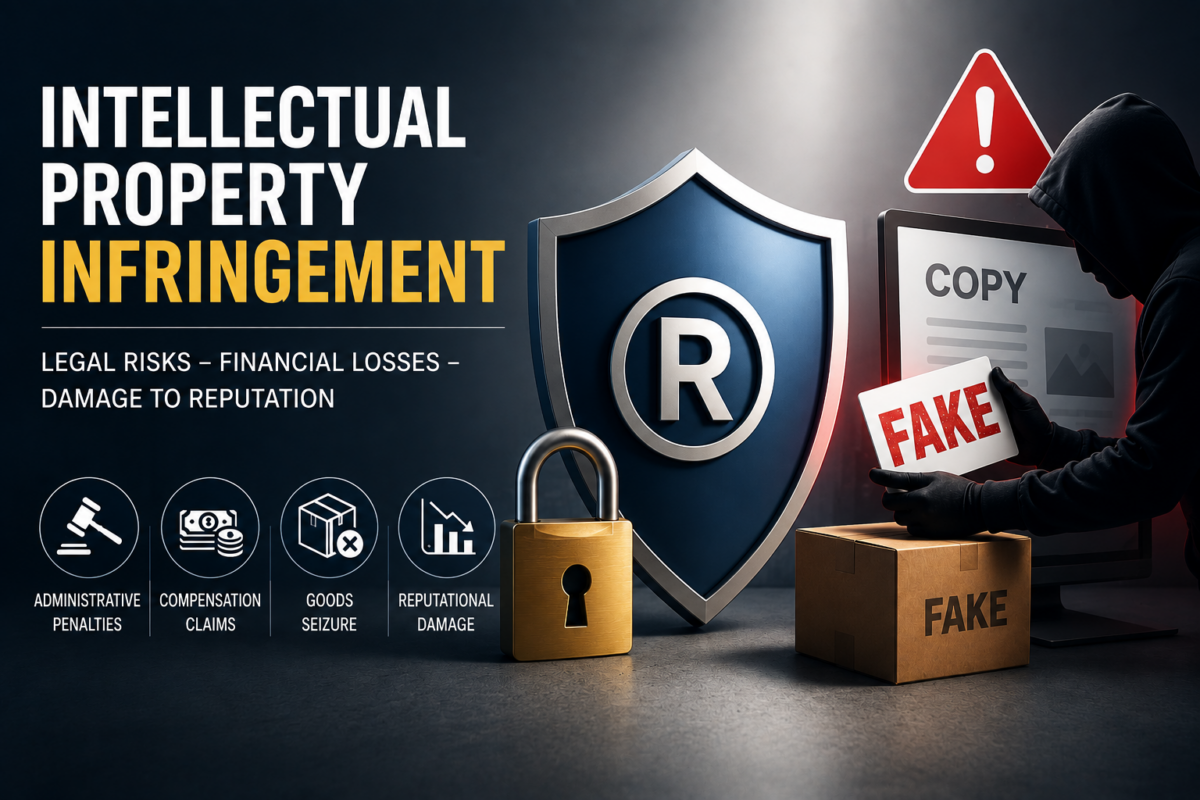
These issues can result in orders to cease the infringing activity, damages, recall or destruction of goods, administrative penalties, and serious harm to a company’s reputation and operations.
What Businesses Should Prepare
1. Register Your IP Rights Early
Register your trademarks, patents, industrial designs, or copyrights from the earliest stage of developing a product or service. Because Vietnam follows a first-to-file system, early registration is the single most effective way to reduce the risk of disputes and to build a solid legal foundation before entering or expanding in the market.
2. Audit Your IP Portfolio
Many companies own valuable IP but lack a proper system to manage it. A regular audit helps you identify:
- Rights that are already registered.
- Rights approaching their renewal or maintenance deadlines.
- Assets that are not yet protected but hold commercial value.
3. Conduct a Search Before Use
Before using a new trademark, logo, packaging, or product name in Vietnam, run a clearance search to assess the risk of conflict with existing protected rights. It is a simple step that can prevent costly disputes down the road.
4. Establish Internal Management Procedures
Put in place clear procedures for managing intellectual property, including:
- Managing contracts with employees and partners (including IP ownership and assignment clauses).
- Rules on confidentiality and information security.
- Managing data on patents, designs, and software.
- Tracking renewal deadlines for IP rights.
An effective management system helps minimize risk and increase the value of your IP.
5. Monitor and Address Infringement
Registration is only the starting point. Companies should regularly monitor the market to detect infringement of their rights and respond appropriately — for example, by sending cease-and-desist letters, demanding that the infringement stop, or pursuing enforcement procedures available under Vietnamese law.
IP Is an Asset to Be Managed
As enforcement in Vietnam continues to strengthen, businesses should not treat intellectual property as a mere legal formality, but as a strategic asset.
An effective IP management strategy does more than reduce legal risk — it enhances company value, creates competitive advantage, and supports growth both within Vietnam and internationally.
WINTER IP LAW helps businesses search, register, manage, and enforce intellectual property rights in Vietnam. With experience handling matters involving trademarks, patents, industrial designs, and copyrights, we partner with companies to build and protect the value of their intellectual property effectively and sustainably.
Contact us for advice on an IP protection strategy tailored to your business in Vietnam.
This article is for general reference only and does not constitute legal advice for any specific case.






Need Legal Advice on Intellectual Property?
Our experienced IP lawyers provide comprehensive services: patent and trademark registration, industrial design, copyright, dispute resolution...
Get Free Consultation