


In the past, many intellectual property infringement cases involving Vietnamese enterprises have often lasted for many years. In some cases, it has taken more than a decade for disputes to reach a final conclusion.
Recently, controversies surrounding the Phở Thìn 13 Lò Đúc brand, involving Mr. Nguyễn Trọng Thìn and individuals considered to be his “successors,” have attracted significant public attention.
While Mr. Nguyễn Trọng Thìn has stated that he does not operate a franchising business model and does not own or manage any company, Mr. Đoàn Hải Trung — a young entrepreneur born in 2001 — has appeared in the media as the Chief Executive Officer of the Phở Thìn brand.
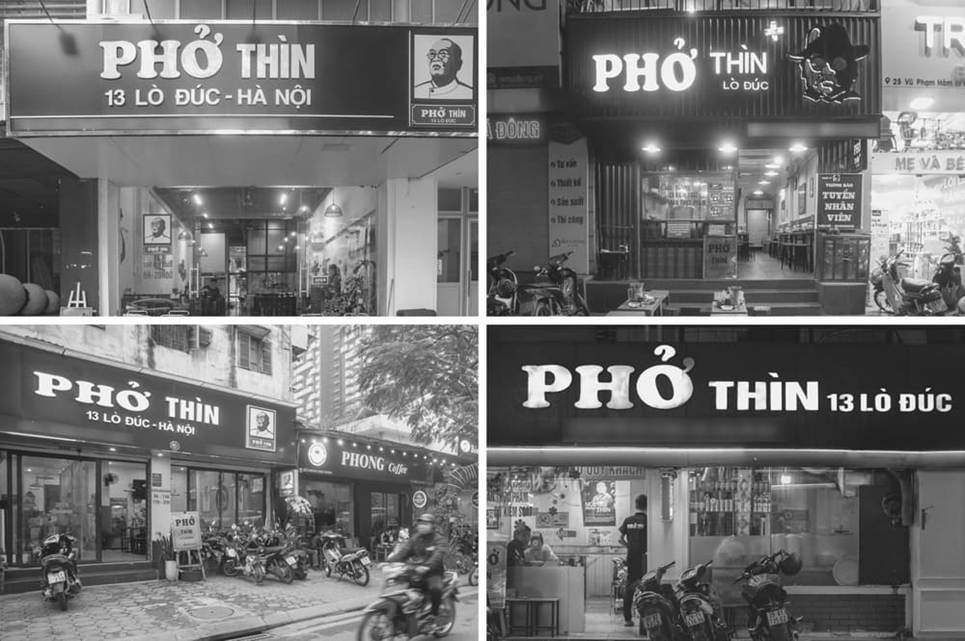
Notably, the Phở Thìn Lò Đúc brand has not yet been granted a trademark protection certificate by the Intellectual Property Office of Vietnam. Meanwhile, the Phở Thìn trademark has been legally registered and protected for a pho restaurant located on Đinh Tiên Hoàng Street (Hanoi), commonly known as Phở Thìn Bờ Hồ.
In the event that Phở Thìn Bờ Hồ has lawfully registered the trademark and does not permit any other organizations or individuals to use it, then the use of the name “Phở Thìn” by other parties may be considered an act of intellectual property infringement. In such cases, the trademark owner has the right to request competent authorities to handle the violation and require infringing parties to change their business names, in accordance with the Law on Enterprises and the Law on Intellectual Property.
As of now, the dispute related to the Phở Thìn brand has not yet reached a final conclusion. From this case, public attention has once again turned to a series of notable intellectual property disputes that have occurred in Vietnam in the past.
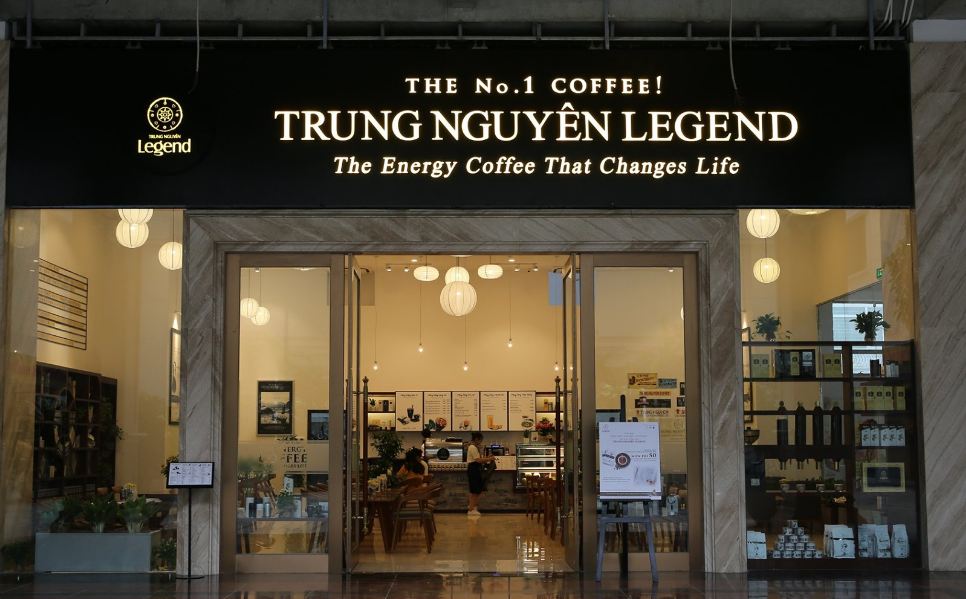
Trademark Dispute over Trung Nguyên Coffee in the United States
In July 2000, Trung Nguyên Company held meetings with Rice Field Company with the aim of exporting Trung Nguyên coffee products to the U.S. market. However, while the two parties were still negotiating and had not yet signed a final contract, Rice Field proceeded to register the “Café Trung Nguyên” trademark with U.S. authorities and the World Intellectual Property Organization (WIPO).
Facing the risk of losing its brand in the U.S. market, Trung Nguyên filed trademark registration applications with U.S. authorities and WIPO, while also negotiating with Rice Field.
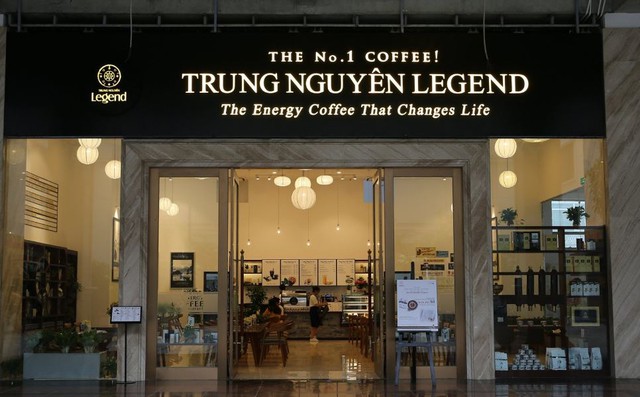
It took nearly two years for Trung Nguyên to reclaim its trademark after WIPO refused to grant trademark protection to Rice Field. Subsequently, Rice Field accepted becoming a distributor of Trung Nguyên coffee in the United States.
According to various sources, Trung Nguyên spent hundreds of thousands of U.S. dollars to resolve the dispute and regain ownership of its trademark. After this costly lesson, the company proactively registered trademark protection in more than 60 countries and territories worldwide.
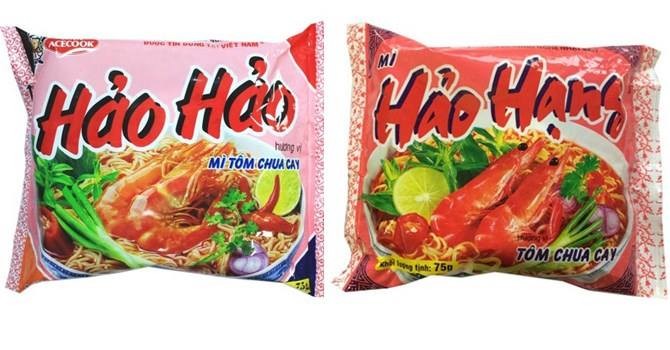
Hảo Hảo Instant Noodles Lawsuit Against Hảo Hạng
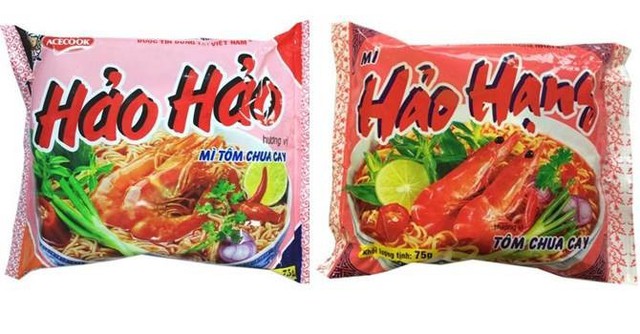
On January 26, 2015, Acecook Vietnam discovered that Hảo Hạng instant noodles produced by Asia Foods had packaging designs that could cause confusion with Hảo Hảo instant noodles. Specifically, elements such as typography, images of noodle bowls, noodle strands, and the main color scheme created an overall appearance similar to the protected Hảo Hảo trademark recognized by the Intellectual Property Office.
Believing that Hảo Hạng’s packaging design infringed its intellectual property rights, Acecook Vietnam filed a lawsuit against Asia Foods, requesting the court to determine the infringement, order the cessation of the violation, require a public apology published in three consecutive newspaper issues, and award compensation of nearly VND 700 million.
Prior to the lawsuit, Acecook Vietnam had sent warning letters to Asia Foods regarding the infringing conduct. The two parties held multiple meetings but failed to reach an agreement.
At the first-instance trial, the People’s Court of Bình Dương Province ruled that Hảo Hạng noodles had infringed the intellectual property rights of Acecook’s Hảo Hảo trademark. Accordingly, Asia Foods was ordered to stop the infringement, publish public apologies in three consecutive newspaper issues, and compensate Acecook VND 80 million for legal fees.
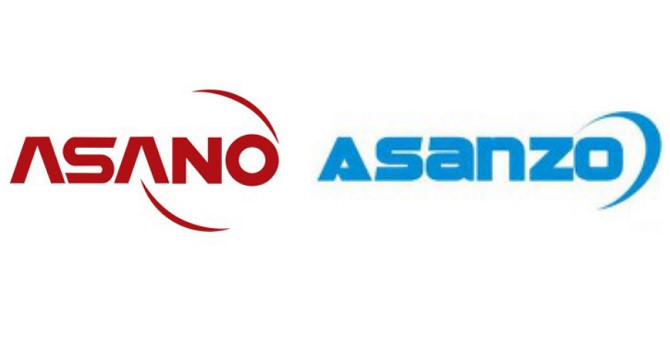
Asano – Asanzo Trademark Infringement Case
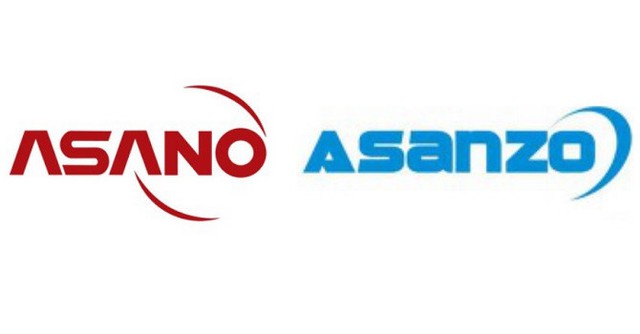
In 2008, Đông Phương Trading and Manufacturing Co., Ltd. was granted a trademark registration certificate for Asano. In 2015, the company discovered that Asanzo Electronics Joint Stock Company was using the Asanzo trademark, which had designs and visual elements similar to the registered Asano trademark.
After submitting the case to the Vietnam Intellectual Property Research Institute for assessment, the expert conclusion confirmed that the Asanzo sign infringed upon the Asano trademark.
Đông Phương Company then submitted requests to competent authorities to handle the infringement but received no response, while Asanzo continued to widely promote its brand through mass media.
As a result, Đông Phương filed a lawsuit against Asanzo, demanding compensation of VND 500 million, a public apology and correction, and the removal of all goods bearing the infringing trademark.
In 2018, the first-instance judgment of the Ho Chi Minh City People’s Court ruled that Asanzo must cease the infringing acts, remove the Asanzo trademark from its products, and compensate Đông Phương Company VND 100 million.
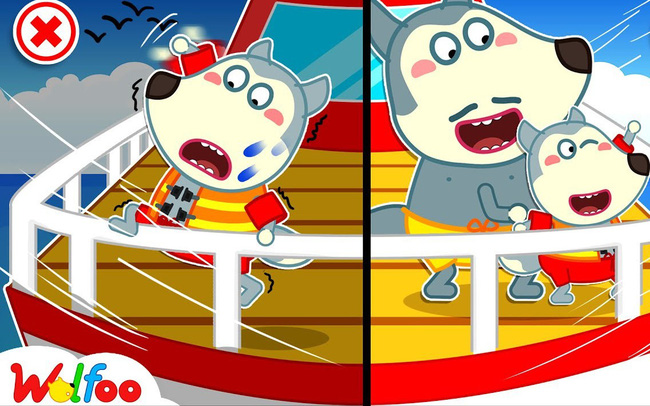
Intellectual Property Dispute over the Animated Character Wolfoo
In November 2021, a copyright dispute between eOne and Sconnect began when eOne repeatedly filed copyright claims against Wolfoo videos owned by Sconnect Vietnam on YouTube.
In early 2022, eOne filed a lawsuit against Sconnect at the Moscow Court (Russian Federation), alleging that the Wolfoo character set was a remake of the Peppa Pig character set and that the distribution of Wolfoo videos constituted illegal dissemination of derivative works.
In mid-2022, the Russian Council of Cultural and Artistic Experts concluded that the Wolfoo character set was an entirely independent creative work and not a remake or derivative of Peppa Pig. Following this conclusion, eOne withdrew all claims, and the Moscow Court issued a decision to terminate the case.
In August 2022, Sconnect filed a counterclaim against eOne, seeking compensation for damages arising from the lawsuit.
According to the latest update, on November 10, 2022, the Moscow City Court issued a ruling partially accepting Sconnect’s request regarding court fees, ordering eOne to refund 240,000 RUB to compensate part of the litigation costs incurred by Sconnect.
Copyright Dispute over “Thần đồng đất Việt”
“Thần đồng đất Việt” is Vietnam’s longest-running comic series and was licensed for publication in February 2002. The series was created by artist Lê Phong Linh (pen name Lê Linh) in collaboration with Phan Thị Company.
In May 2002, the Copyright Office of Vietnam issued a certificate recognizing Lê Linh and Ms. Phan Thị Mỹ Hạnh as co-authors, with the economic rights belonging to Phan Thị Company. After volume 78, Lê Linh stopped creating the series, and subsequent volumes were produced by other artists working with Phan Thị Company.
In 2007, Lê Linh filed a lawsuit against Ms. Mỹ Hạnh and Phan Thị Company, requesting the court to recognize him as the sole author of the series and to prohibit the creation of derivative versions of the characters.
During this period, Phan Thị Company filed a counterclaim against Lê Linh, accusing him of using the character Trạng Tí from Thần đồng đất Việt to create another character in a different comic series.
After more than 12 years of legal proceedings, in September 2019, the Ho Chi Minh City People’s Court issued a final appellate judgment recognizing Lê Phong Linh as the sole author of the work “Thần đồng đất Việt.”





Need Legal Advice on Intellectual Property?
Our experienced IP lawyers provide comprehensive services: patent and trademark registration, industrial design, copyright, dispute resolution...
Get Free Consultation