


Delays in filing trademark protection applications abroad are becoming one of the biggest barriers for Vietnamese enterprises seeking to expand their export markets for goods and services. In reality, many Vietnamese brands have lost ownership of their trademarks in key international markets, resulting in serious economic losses and reputational damage.
Many Vietnamese Brands Have “Lost Their Names” Overseas
PetroVietnam
PetroVietnam is a leading enterprise in Vietnam’s oil and gas sector, operating in three main areas: crude oil exports, cooperation in domestic oil and gas exploration and production, and the sale of petroleum-based products.

However, in July 2002, the website of the United States Patent and Trademark Office (USPTO) (http://tarr.uspto.gov) announced that the “PetroVietnam” trademark had been registered in the U.S. market by a company named NGUYENLAI, located at 11215 Pacific Hwy SW, Lakewood, WA 98499.
Saigon Beer
Looking at the Saigon Beer trademark, Vietnamese people and foreign visitors who have been to Vietnam and tasted this beer all know it as a product of Saigon Beer – Alcohol – Beverage Corporation (SABECO) of Vietnam. However, this is not the case in the United States.
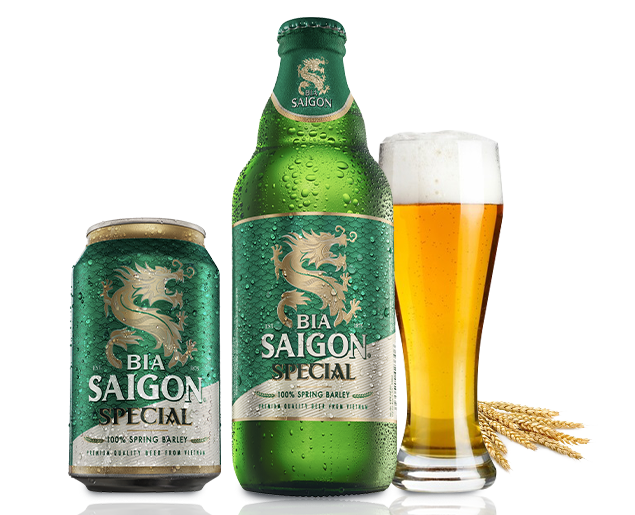
In the U.S., the Saigon Beer trademark is owned by Heritage Beverage Company Inc., a 100% American company with no affiliation whatsoever with SABECO. If SABECO wishes to sell Saigon Beer in the U.S., it must obtain permission from Heritage Beverage Company Inc., as the trademark has already been registered with and protected by U.S. authorities.
Phu Quoc Fish Sauce

Members of the Phu Quoc Fish Sauce Association were astonished when visiting many supermarkets in the United States to find shelves flooded with products labeled “Phu Quoc” fish sauce. The catch was that these products were Phu Quoc fish sauce—from Thailand.
Since February 1998, the “Phu Quoc” fish sauce trademark had been registered by Kim Seng Company in California and was officially recognized in May 1999. With the support of the French National Interprofessional Office for Cognac, Phu Quoc fish sauce later completed its protection procedures in France, the EU, and the United States.
In addition, many well-known Vietnamese brands such as Vinh Hao, Saigon Export, and others have been “preemptively” registered by U.S. companies in the American market. As a result, if the original Vietnamese producers wish to enter the U.S. market, they must seek permission from the trademark owners there.
Similarly, brands of Vietnamese garment companies such as Viet Tien, May 10, Thanh Cong Textile, and Phong Phu Textile cannot retain their original brand names when exporting to the U.S. This is because these trademarks had already been registered by other market-savvy companies under U.S. law. Notably, after successfully registering the trademarks, these entities openly offered them for sale online—targeting precisely the original brand creators who had been slow to complete their “birth certificates.”
What Solutions Are Available for Businesses?
To expand export markets, enterprises must develop an optimal strategy and consider trademark protection an indispensable element of any market entry plan.
Trademarks Must Precede Goods
The first and most important solution to avoid such situations is to promptly register trademark protection abroad as soon as a market expansion plan is initiated. Although trademark registration may not bring immediate tangible benefits, it is of great long-term significance.
Trademark protection provides a legal basis for enterprises to safeguard their legitimate rights, granting full ownership rights to combat infringements such as counterfeiting, design theft, label imitation, or unlawful use—or loss—of trademarks.
Once a certificate of trademark registration is obtained, the enterprise will be protected under the national laws of the registering country. In the event of infringement, the enterprise has the right to request competent authorities to take action or apply necessary measures to protect trademark ownership and other related intellectual property rights.
Enterprises must adhere to the strategic principle that “trademarks go before goods.” They should abandon the habit of launching products first and dealing with branding later. Trademark ownership strategies must be built on thorough research of target markets to avoid the “closing the barn door after the horse has bolted” situation.
Registering intellectual property protection for products in general, and trademarks in particular, helps enterprises maintain a proactive position in business operations. This prevents scenarios where export-ready goods are denied entry by foreign customs due to IP infringement—because a foreign entity has already registered the trademark. Ideally, trademarks should be registered two to three years before export, as the approval process can be lengthy.
In practice, exporting goods without trademark protection is extremely risky, especially for agricultural exporters. Agricultural products are a major strength of Vietnam and account for a large proportion of national export turnover. Yet, in global markets, consumers often do not recognize these products as Vietnamese, despite their popularity. Enterprises should promptly register intellectual property protection to preserve their reputation and credibility abroad.
Thoroughly Research Foreign Markets, Especially IP Laws
Market research is a crucial task that business managers must undertake before launching new products or services. When exporting goods, enterprises must carefully study the import country’s legal system to develop suitable business strategies and avoid legal obstacles.
Businesses need a comprehensive understanding of their target markets, including:
- Quality standards
- Existing and potential competitors
- Consumer preferences and demand
- Legal regulations, particularly those related to industrial property rights
Researching intellectual property law must be regarded as a core component of market research to minimize risks of trademark misappropriation.
However, understanding foreign legal systems is not easy. Enterprises should seek support from state agencies specializing in intellectual property or consult professional law firms before entering a new market. Additionally, many online resources provide information on key markets such as the U.S., Japan, China, and ASEAN countries.
Use All Available Measures to Reclaim Intellectual Property Rights
- Litigation in Court
The first option is to initiate legal proceedings in foreign courts or submit petitions to competent authorities requesting protection of ownership rights, cessation of infringing acts, and appropriate compensation for damages.
When necessary, legitimate rights holders may request provisional measures or border enforcement actions to prevent infringements. Enterprises must preserve evidence of infringement to prevent its destruction.
In cases where trademarks have been registered by others, such as PetroVietnam or Saigon Beer, companies have the right to challenge those registrations in foreign courts where the trademarks were filed. Although litigation is costly and time-consuming, in some jurisdictions, infringers may be required to bear the full legal costs.
- Changing and modifying the Trademark
The second option is to modify the trademark. Some enterprises choose to alter certain elements that cause confusion with the registered trademark while retaining core features to ensure consumer recognition.
However, this is not a truly effective solution, as consumers are already familiar with the original brand. Even minor changes can make acceptance difficult, and rebuilding trust requires significant time and expense.
- Negotiating to Buy Back the Trademark
The third option is to negotiate the repurchase of the trademark that has been registered by another party. If successful, this approach can yield excellent results, restoring full ownership to the enterprise. In practice, however, negotiations are often challenging, as prior registrants may refuse to negotiate or demand unreasonably high prices.
In today’s era of globalization, trademark protection has become a matter of survival for businesses. Enterprises must fully recognize the importance of protecting industrial property rights related to their products and treat this as a top priority in any market entry strategy. Trademarks are truly invaluable assets of an enterprise.
Trang Nhung








Need Legal Advice on Intellectual Property?
Our experienced IP lawyers provide comprehensive services: patent and trademark registration, industrial design, copyright, dispute resolution...
Get Free Consultation