


In industrial design (ID) registration applications, the set of drawings is not merely a visual illustration of the product; it is the primary subject-matter for the examination authority to determine the scope of protection. All assessments of novelty, creativity, or distinctiveness are directly based on what is presented in the drawings. Therefore, it is not surprising that most ID applications are rejected due to issues with the drawings, rather than with the design itself.
Importantly, these issues are often not “major shortcomings” but arise from small, sometimes basic, details that are enough for the Intellectual Property Office (IPO) to conclude that the drawings “do not fully reveal the design features.” Such an assessment alone can lead to requests for amendments, prolonged examination, or, in more serious cases, outright rejection.
Below are the most common mistakes, viewed from the perspective of the real reasons for rejection—not just a list of technical errors.
1. Drawings fail to fully disclose the design features – the root cause of most rejections
Many applicants believe that simply submitting the “standard seven (7) views” is sufficient. However, the issue is not the number of drawings, but whether those drawings allow the examiner to fully identify the features to be protected.
Missing angles, omitted details, incorrect perspectives, or obscured important elements can turn the product into a “vague design.” In such cases, the IPO cannot determine which elements are the dominant design features, making requests for amendments or rejection entirely reasonable.
In practice, many applicants focus solely on the number of drawings and neglect their quality and ability to clearly convey the protected features, leading to rejection.
2. Inconsistency between views distorts the design
A common error is discrepancy in scale or details between different views. For example, the product’s head in a perspective view may appear larger than in the front view, or the body thickness may vary between angles. Examiners may perceive this as depicting two different objects.

This can result from using different rendering software, manual editing, or lack of verification when assembling the drawings. Even if not a “major error,” any inconsistency affects the definiteness of the design, which is crucial for ID protection.
3. Poor line quality obscures key design features
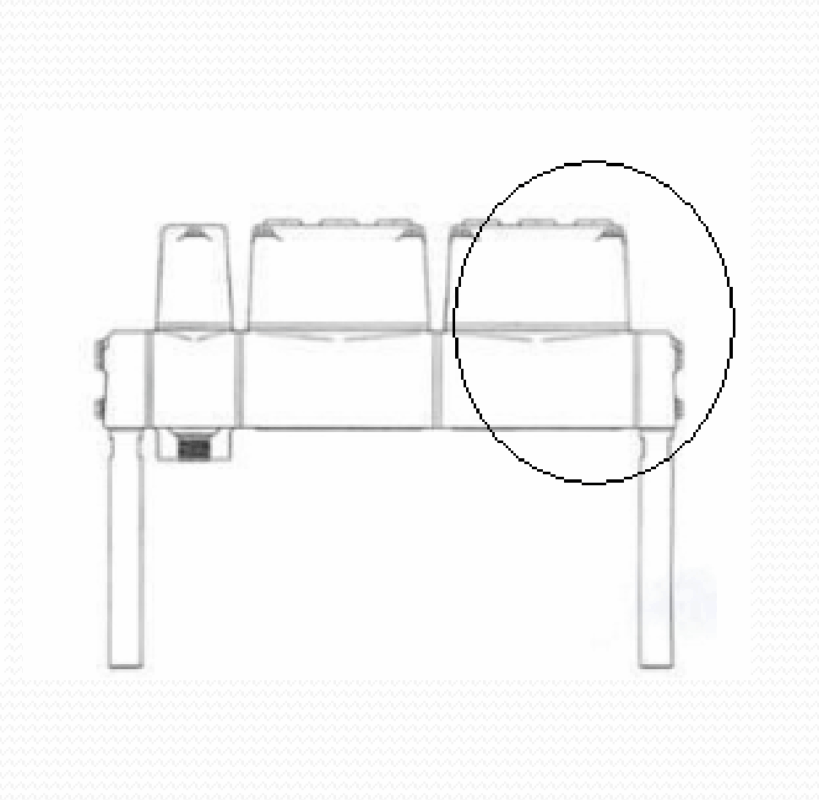
Blurred, noisy, or jagged lines reduce clarity. While this may seem merely technical, in ID examination it creates legal risk: the examiner cannot distinguish which features are dominant and which are contextual.
Consequently, the IPO may conclude the drawings “lack sufficient clarity” and require corrections— a process that is time-consuming and may create further issues with consistency.
4. Inappropriate background or lighting distorts perception
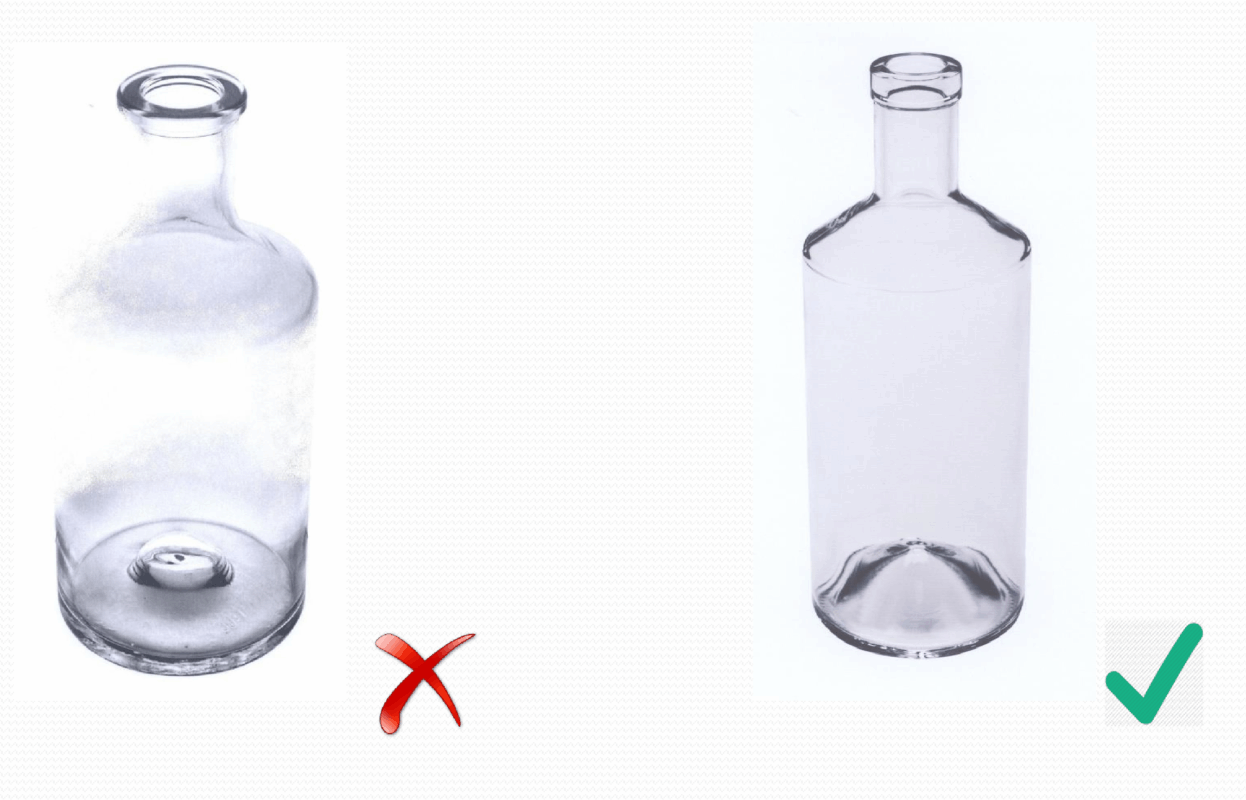
Some applicants submit photographs instead of technical drawings. While this is not prohibited, strong shadows or uneven backgrounds can make the design appear different.
In practice, a white background and neutral lighting are nearly mandatory to ensure the examiner accurately identifies the features to be protected and to minimize potential disputes.
5. Failure to clearly indicate the claimed portion – a legal rather than technical error
Not all elements of a product are subject to protection. Non-essential features must be shown with dashed lines or shading. Otherwise, the examiner cannot determine which parts are claimed and which are functional or supplementary.
As a result, the scope of protection becomes unclear, making the application prone to rejection or repeated amendment requests.
6. Mixing presentation styles distorts the design
A set of drawings that includes both photos and CAD images, or views with different line weights, can make the design appear as two different objects. The IPO may then conclude that the design is “not consistently represented.”
For ID protection, consistency is not merely aesthetic—it is a legal requirement.
7. Extraneous elements unintentionally alter the design
A hand in a photo, unrelated accessories, or reflective details may cause the examiner to misinterpret the scope of the design. Even a single object not part of the design can result in the application being considered incorrectly illustrated.
8. Incorrect format or technical standards – small errors, big consequences
Some applications are rejected at the formal examination stage because image files are not in the correct format, resolution, or submission frame.
Though seemingly simple, such errors often consume considerable time to correct, delaying the examination process and potentially increasing costs.
Conclusion: Drawings are not just illustrations—they are the “legal language” of design
Every line in an ID drawing communicates to the examiner which features of your design are protected and to what extent. If this “language” is unclear, inconsistent, or contradictory, the examiner cannot—and is not obligated to—interpret it on the applicant’s behalf.
A properly prepared set of drawings not only facilitates faster acceptance of the application but also determines the strength of protection in future disputes, reducing legal risks for the business.








Need Legal Advice on Intellectual Property?
Our experienced IP lawyers provide comprehensive services: patent and trademark registration, industrial design, copyright, dispute resolution...
Get Free Consultation