


In the context of a rapidly expanding knowledge-based economy, intellectual property (IP) is increasingly recognized as a central pillar of scientific activity, technological development, and innovation. No longer merely a legal instrument for protecting research outcomes, IP has emerged as a strategic factor that determines the ability to commercialize research, attract investment, and generate long-term economic value for both businesses and the broader economy.

In many countries, intellectual property is regarded as one of the key pillars of the innovation ecosystem. In practice, however, a significant gap remains between the creation of knowledge and the effective exploitation of intellectual assets—particularly within research and development (R&D) activities.
When knowledge has yet to become an asset
Scientists and research organizations are the primary creators of intellectual assets through their R&D efforts. Nevertheless, a considerable number of valuable research results are disclosed prematurely or exploited in an uncontrolled manner due to limited awareness and inadequate IP management.
Within academic environments, pressure to publish internationally and to meet research performance metrics often leads research groups to prioritize scientific publications over considerations of protection and commercialization. Once core technical information has been publicly disclosed, opportunities to obtain patent protection are largely foreclosed, resulting in the loss of potential economic benefits.
The consequences extend beyond diminished commercial value. They also affect the interests of host institutions and limit the formation of research-based spin-off enterprises.
Intellectual property protection tools and their practical roles
The contemporary intellectual property system comprises a range of tools, each designed to protect specific types of intellectual assets.
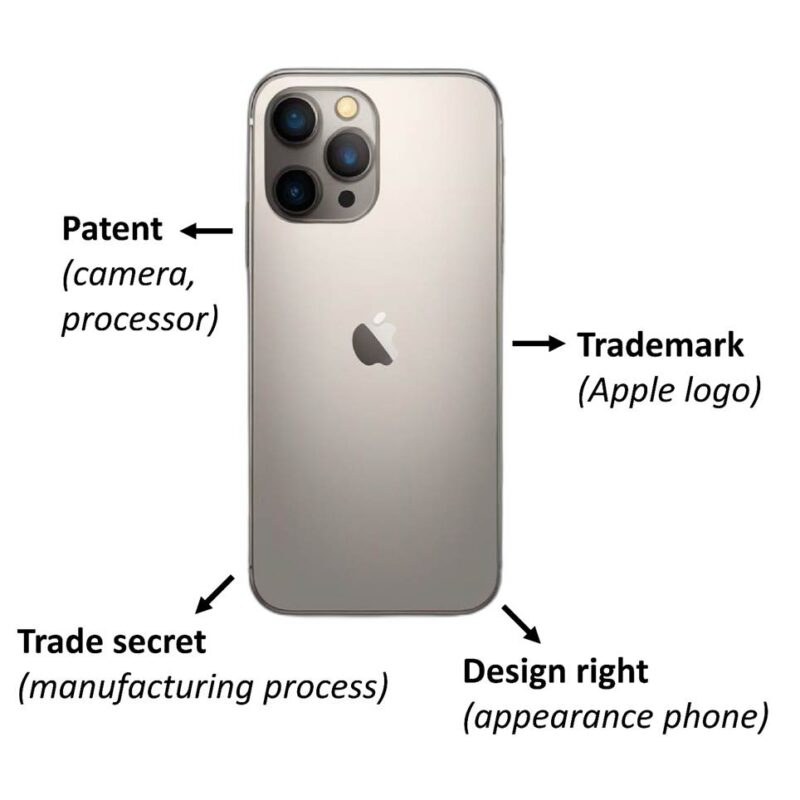
Patents are the most widely used IP instrument in science and technology. They protect new technical solutions that involve inventive steps and are capable of industrial application. Patent holders are granted exclusive exploitation rights for a limited period, in exchange for full disclosure of the technical content. Patents form the foundation for technology transfer and licensing activities.
Industrial designs protect the external appearance of products, including shape, lines, and colors. In many industries—particularly consumer technology—design plays a critical role in differentiation and in enhancing commercial value.
Trademarks protect names, symbols, or signs that distinguish goods and services. For businesses, trademarks are not only identifiers but are closely associated with reputation, quality, and market trust.
Trade secrets encompass undisclosed information such as manufacturing processes, formulas, algorithms, or internal data. Unlike patents, trade secrets do not have a fixed term of protection but depend heavily on an organization’s ability to control and safeguard confidential information.
Copyright protects scientific works, software, databases, and research publications. In the context of digital transformation—where data and software underpin many business models—copyright has become an increasingly important pillar of the IP ecosystem.
In addition, in agriculture and biotechnology, plant breeders’ rights play a critical role in protecting newly developed plant varieties and encouraging sustained investment in agricultural research.
From isolated protection to multi-layered strategies
In practice, a product or technology is rarely protected by a single form of intellectual property. Instead, businesses and research organizations increasingly adopt multi-layered IP strategies that combine different protection tools.
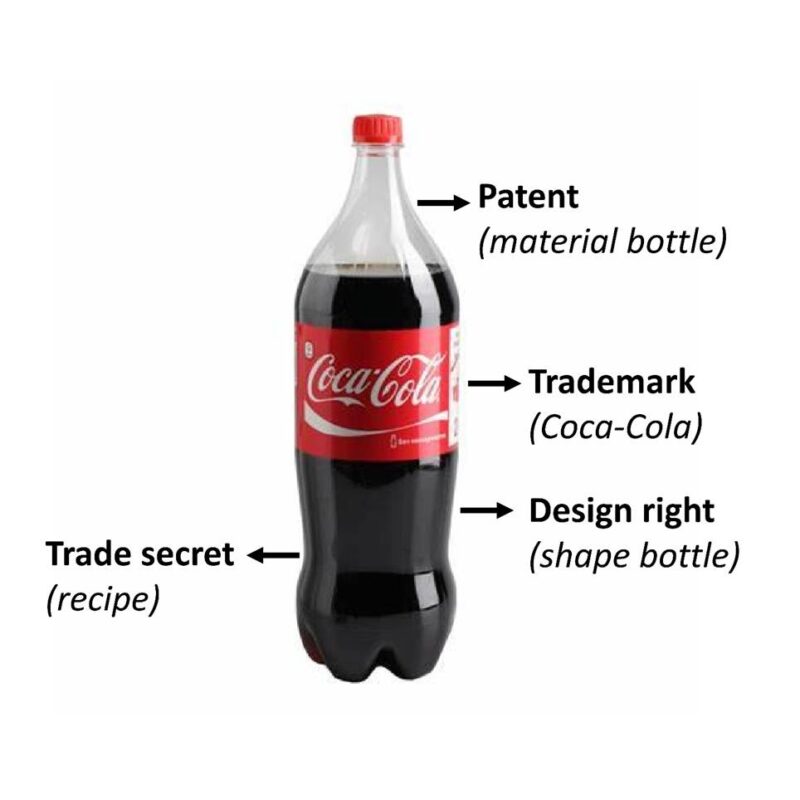
Under this approach, patents safeguard core technologies, trademarks establish and maintain brand identity, trade secrets preserve key competitive elements that are not disclosed, while copyright protects works and software. This combination creates a multi-layered “IP barrier” that raises market entry thresholds and limits the ability of competitors to imitate.
Such a comprehensive approach not only strengthens protection but also opens up diverse avenues for value extraction, including technology licensing, strategic partnerships, and joint ventures.
Intellectual property in corporate development strategies
Today, intellectual property is increasingly viewed as a strategic asset in corporate governance rather than a purely legal concern. When integrated into R&D, marketing, fundraising, and market expansion activities, IP can serve as a powerful driver of growth.
For technology startups, IP portfolios are often a decisive factor in attracting investors. Technologies supported by clear patent protection and coherent IP strategies help reduce risk and enhance firm valuation.
For large enterprises, IP not only protects market share but also generates revenue through licensing and technology transfer. In many cases, IP also provides the foundation for long-term collaborations with domestic and international partners.
Challenges in intellectual property management
Despite its growing importance, IP management continues to face significant challenges. The costs of registration and maintenance—particularly in international markets—remain substantial barriers for many research institutions and small enterprises.
Moreover, shortages of professionals with expertise spanning both technology and IP law hinder organizations from developing long-term strategies. Striking a balance between scientific publication and patent protection also remains a complex and persistent challenge.
In a context of intensifying global competition and rapidly accelerating innovation, intellectual property has moved beyond the role of a purely legal instrument to become a strategic factor in scientific and economic development. Enhancing awareness, formulating appropriate protection strategies, and effectively exploiting intellectual assets will be critical in determining the ability to transform knowledge into sustainable value.
For research organizations, businesses, and policymakers alike, intellectual property is not only a shield that protects innovation, but also a lever that drives long-term growth and competitiveness.






Need Legal Advice on Intellectual Property?
Our experienced IP lawyers provide comprehensive services: patent and trademark registration, industrial design, copyright, dispute resolution...
Get Free Consultation