


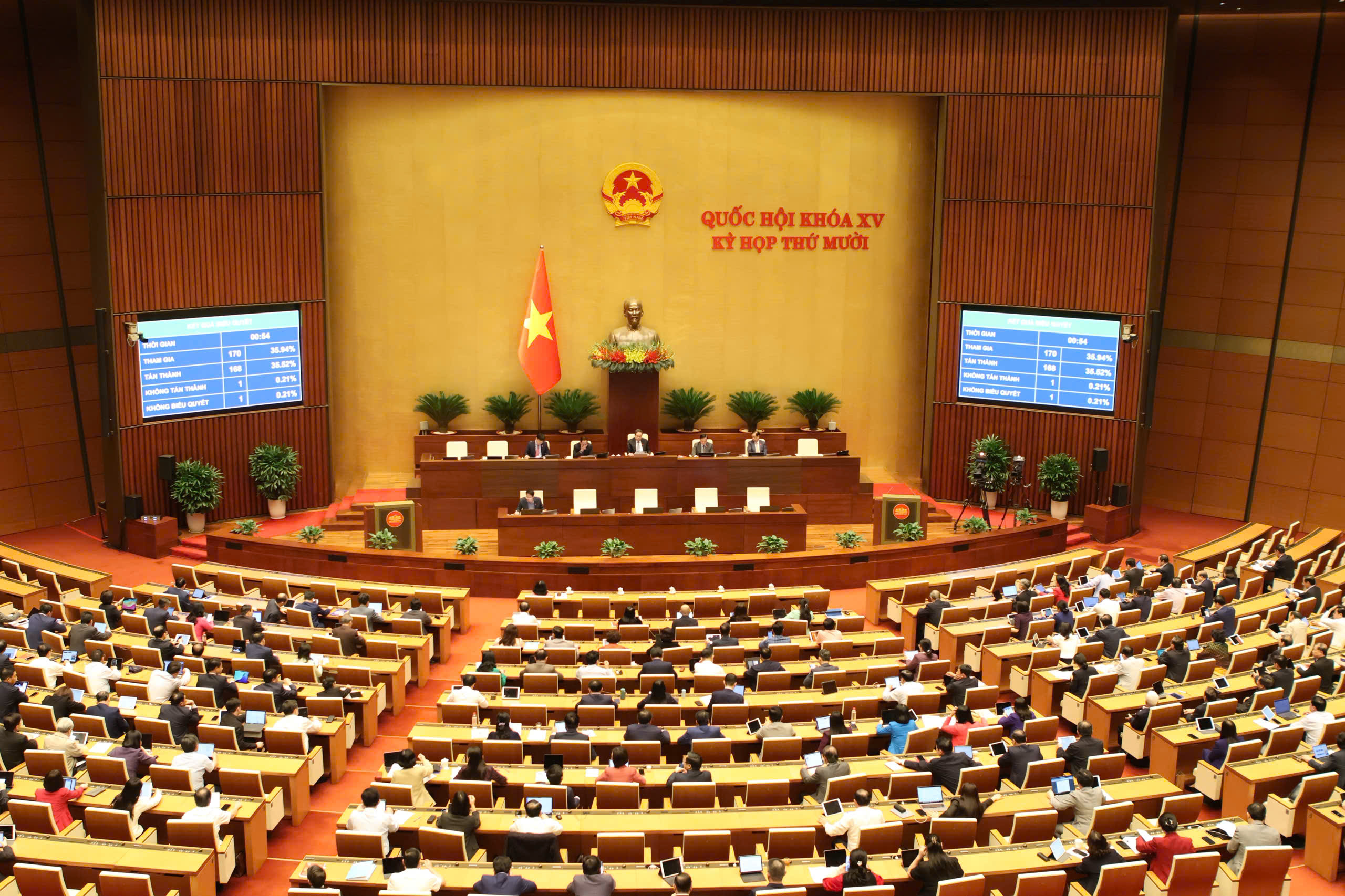
On the afternoon of December 10, 2025, during the 10th Session of the 15th National Assembly, Viet Nam’s National Assembly officially approved the Law Amending and Supplementing a Number of Articles of the Law on Intellectual Property. The Law was passed with strong consensus, as 432 out of 438 deputies participating in the vote supported its adoption, accounting for 91.33%.

The approval of the amended Law represents a significant step in modernizing Viet Nam’s intellectual property (IP) framework, particularly in the context of rapid technological change, digital transformation, and the growing role of artificial intelligence (AI) in the economy. The revision reflects a clear policy orientation: intellectual property must move beyond the traditional role of legal protection and become a tangible economic asset that can be effectively exploited in the market.
Strong Consensus and a Comprehensive Revision Process
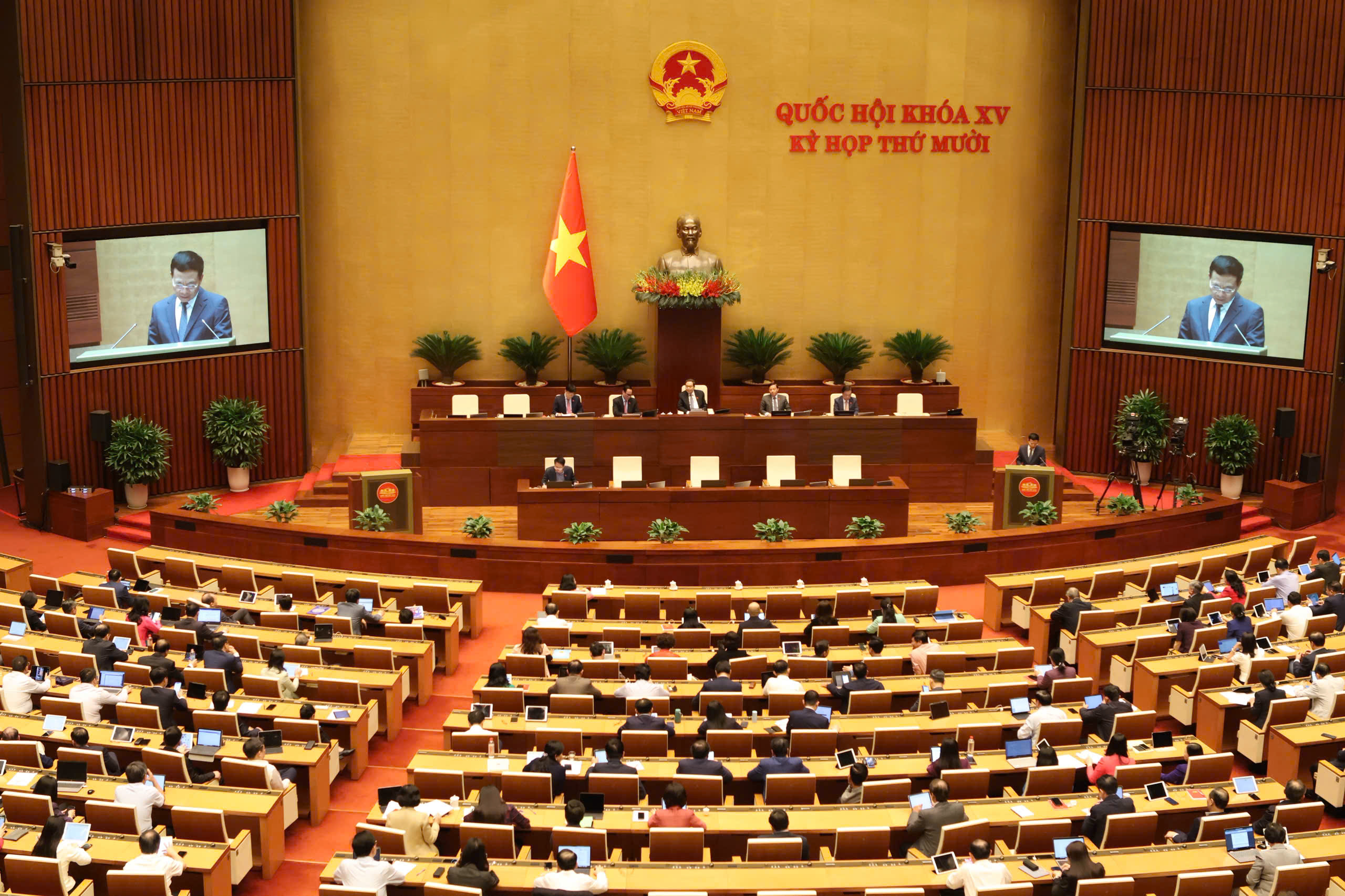
Prior to the vote, the Minister of Science and Technology, Nguyen Manh Hung, on behalf of the Prime Minister, presented a summary report on the revision process. The draft Law submitted for adoption incorporated extensive feedback from relevant agencies, members of the Government, National Assembly deputies, and conclusions of the Standing Committee of the National Assembly. Following revisions, the Law amends and supplements 71 articles and repeals 8 articles, ensuring consistency with new policy directions and practical requirements.
From Legal Protection to Assetization and Commercialization of Intellectual Property
A central theme of the amended Law is the transformation of intellectual property into a tradable and financialized asset. Research outcomes and creative works are expected to be converted into assets that can be valued, transferred, recorded in financial statements, and used as collateral for loans or capital contributions. This approach is particularly emphasized for assets arising from new technologies, digital technologies, and artificial intelligence. This shift signals a move away from a predominantly “rights-protection” mindset toward the assetization, commercialization, and market development of intellectual property. Intellectual property is positioned as a strategic competitive tool for enterprises and for the national economy, aligning with policies on science and technology, innovation, digital transformation, and artificial intelligence.
Recognition and Management of Intellectual Property as Enterprise Assets
The amended Law establishes a clearer framework for the recognition and management of intellectual property assets within enterprises. While detailed regulations on accounting, disclosure, and valuation standards will be issued by the Government, the Law encourages enterprises to proactively identify, inventory, and manage their intellectual assets.
For intellectual property assets that do not yet meet the criteria for recognition on the balance sheet, the Law allows them to be tracked in separate records for internal management purposes. Enterprises may conduct internal valuation of such assets, although these valuations are intended for internal use only. This mechanism aims to promote a more comprehensive and systematic approach to intellectual asset governance in the business sector.
Digital Transformation and Accelerated Intellectual Property Procedures
Administrative reform and digital transformation are key pillars of the amended Law. The Law mandates a comprehensive shift toward digital processes in the registration, examination, and management of industrial property rights, including patents.
A notable reform is the reduction of the substantive examination period for patents from 18 months to 12 months, together with the introduction of a fast-track examination mechanism that allows certain applications to be processed within three months. These measures are designed to address longstanding procedural bottlenecks and improve efficiency, transparency, and predictability in the intellectual property system.

Clear Legal Position on Artificial Intelligence and Intellectual Property
In response to the rapid development of artificial intelligence, the amended Law provides important legal clarity regarding AI-related outputs. The Law affirms that artificial intelligence itself is not a subject of intellectual property rights.
Where products or works are generated entirely by AI without human creative involvement, they are not eligible for copyright or patent protection. However, where humans use AI as a tool and make substantial creative contributions—such as formulating ideas, directing processes, or selecting and refining AI-generated outputs—they may be recognized as authors or inventors. This approach reflects prevailing international trends and seeks to strike a balance between encouraging innovation and maintaining legal certainty.
Use of Published Information and Data for AI Training
The amended Law also addresses the use of information and data for training artificial intelligence systems. Lawfully published and publicly accessible information may be used as input for AI training, provided that the outputs generated by AI do not infringe copyright or other intellectual property rights.
This provision aims to support research, experimentation, and technological development while safeguarding the legitimate rights and interests of authors and intellectual property right holders.
Expanded Scope of Protection for Emerging Technologies
In line with technological developments, particularly in the digital environment, the amended Law expands the scope of intellectual property protection by allowing industrial design protection for non-physical products. Detailed conditions and criteria for such protection will be further specified by the Government.
This expansion reflects the Law’s forward-looking approach to adapting intellectual property protection to new forms of innovation and digital products.
Stronger Enforcement and Enhanced Awareness of Intellectual Property Rights
The amended Law strengthens enforcement mechanisms by enhancing judicial authority in intellectual property matters and introducing more deterrent sanctions against infringement. Intellectual property violations are treated with increased seriousness, comparable to offenses such as theft in the physical world.
Enforcement in the digital environment is identified as a key area for reform, alongside efforts to raise public and business awareness of intellectual property. The Law emphasizes the integration of intellectual property education into general and higher education, as well as enhanced communication and outreach to enterprises and the wider community.
A Strategic Legal Foundation for Innovation and National Competitiveness
The passage of the amended Law on Intellectual Property sends a clear policy message: intellectual property is a strategic economic resource and a key driver of growth in the digital era. By simplifying procedures, strengthening enforcement, clarifying rules for emerging technologies, and promoting the commercialization of intellectual assets, the Law establishes a robust legal foundation for innovation.
The amended Law is expected to enhance national competitiveness, support enterprise development, and contribute to Viet Nam’s transition toward a knowledge-based, innovation-driven, and digitally enabled economy.






Need Legal Advice on Intellectual Property?
Our experienced IP lawyers provide comprehensive services: patent and trademark registration, industrial design, copyright, dispute resolution...
Get Free Consultation