

The patent examination process in Vietnam often takes a long time due to its strict procedural requirements. However, applicants can shorten the timeline by understanding how the system operates and proactively preparing their filings from the outset. Based on the provisions of the Intellectual Property Law and practical experience working with the Intellectual Property Office of Vietnam (IP Vietnam), the following article analyzes six key strategies to optimize patent applications and improve the likelihood of grant.
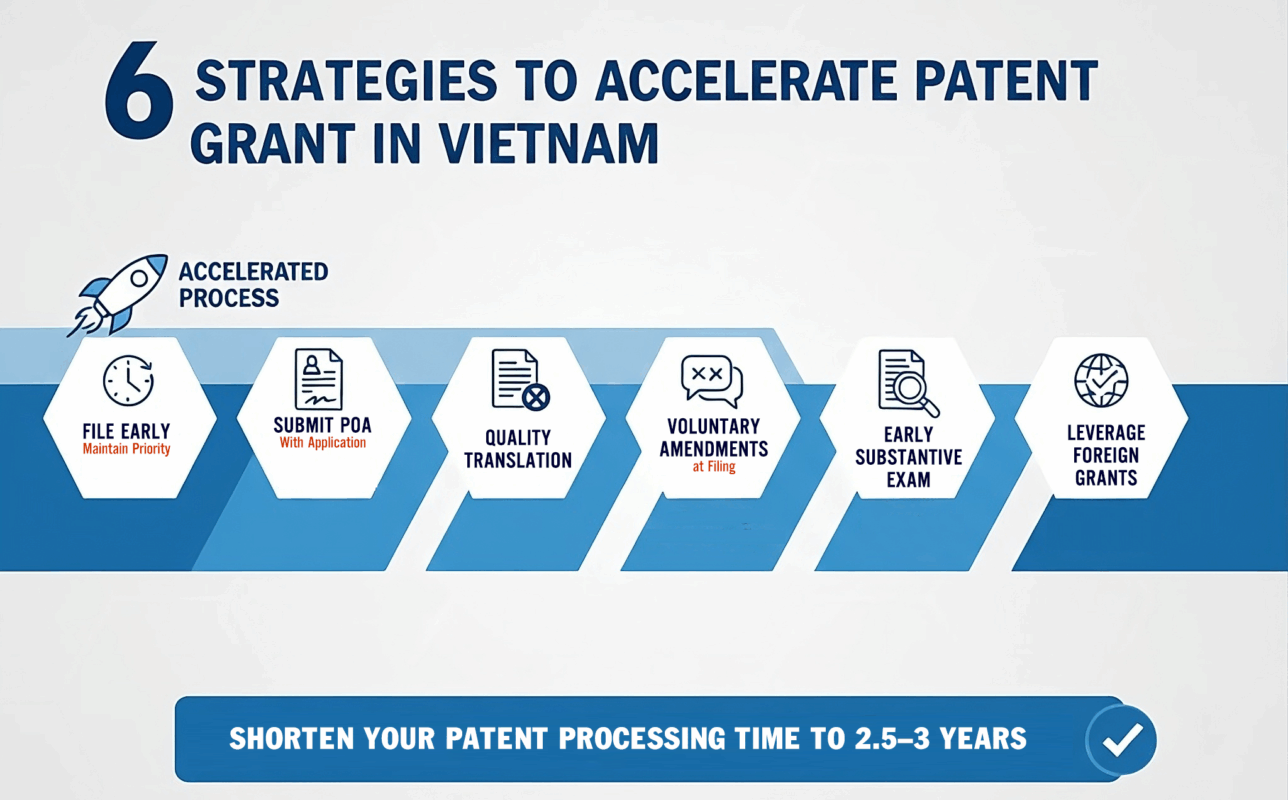
1. File Early and Meet Critical Deadlines
Filing the application within the priority deadline stipulated in Article 91.1 of the IP Law – especially for PCT applications before the 31-month mark calculated from the priority date – not only helps maintain the legal priority right but also allows the dossier to be processed sooner in the examination cycle. Missing these critical deadlines is one of the main reasons many applications lose their opportunity for protection or necessitate complex restoration procedures.
2. Submit the Power of Attorney at filing
Although the law allows applicants to submit a Power of Attorney (POA) within one (01) month of filing, submitting it upfront offers significant advantages: it enables the IP Office to process the application seamlessly and avoids formality-related notices that can substantially slow down the process. In practice, many applications are delayed simply because the POA is submitted too late.
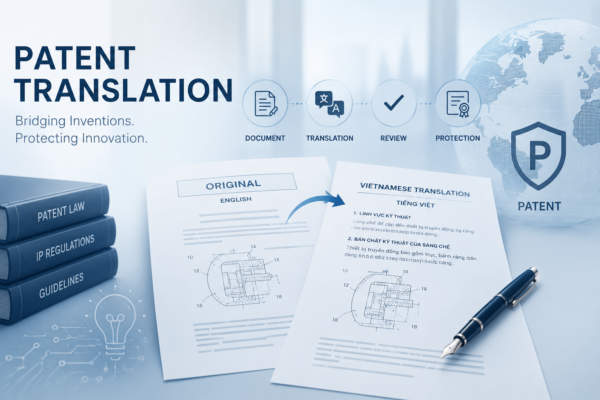
3. Prepare Accurate Technical-Legal Translations
For applications originating from foreign countries, the quality of the translation is a crucial factor determining the speed of examination and even the potential for grant. The law requires the description to be clear, complete, and consistent; therefore, using specialized patent translation units – with the ability to handle both technical and legal terminology – helps minimize errors, avoiding numerous amendment requests from IP Vietnam.
4. Make Voluntary Amendments Early in the Process
The IP Law allows applicants to amend or supplement the application as long as it does not broaden the disclosed scope. Proactively reviewing and adjusting elements such as the title, abstract, or claims in accordance with examination practices in Vietnam can help the application pass formal examination faster. Early removal of inappropriate claims—such as “method of treatment” or “use of” claims—can also prevent repeated amendment requests in later stages.
5. File the Request for Substantive Examination Upon Filing
According to Article 113.1 of the IP Law, a patent application is only subject to substantive examination when the applicant submits a request and the corresponding fee. Although the maximum deadline is 42 months, in practice, filing this request immediately upon application filing jumpstarts the substantive examination phase – which accounts for the majority of the total processing time. This is the measure with the greatest impact on shortening the time to grant.
6. Leverage Patent Grants from Other Jurisdictions
While IP Vietnam conducts independent examination, granted patents from USPTO, EPO, JPO, or other reputable IP offices are always important reference sources. When the applicant proactively adjusts the claims in line with versions already accepted abroad, it significantly reduces the time for assessment and official communication exchanges. In many cases, this is the factor that helps the dossier be processed faster and more consistently.
Conclusion
Accelerating the patent grant process is not dependent on a single trick, but rather the summation of meticulous dossier preparation, strict adherence to legal deadlines, and the application of strategies suitable for Vietnam’s examination practices. These six strategies – if implemented simultaneously – will help businesses minimize amendment requests, shorten the examination time, and effectively enhance their chances of patent protection.



Need Legal Advice on Intellectual Property?
Our experienced IP lawyers provide comprehensive services: patent and trademark registration, industrial design, copyright, dispute resolution...
Get Free Consultation